



Professor at FGV-EAESP I Researcher at NEOP FGV-EAESP I AOM-MED Ambassador I Postdoctoral Fellow in the Psychiatry Graduate Program at USP
14 Ekim 2025
Abstract
This study examines patterns of scientific productivity, impact, visibility, and collaboration in the field of Business and Management across the BRICS countries—Brazil, Russia, India, China, and South Africa—using data from the AD Scientific Index (2025). Building on the literature on the knowledge economy and global academic hierarchies, the article explores how emerging knowledge systems negotiate their position within an increasingly metric-driven landscape dominated by the North Atlantic rankings. The AD Scientific Index, by adopting a bottom-up approach based on individual researcher profiles drawn from Google Scholar Citations, offers a broader and more inclusive view of scientific performance, particularly suited to the applied social sciences. Employing a descriptive-comparative design and secondary data analysis, the study constructs a multidimensional framework encompassing five analytical dimensions—productivity, impact, collaboration, visibility, and inequality—and applies descriptive statistics, non-parametric comparisons, and network analysis to institutional and individual data. Results reveal a heterogeneous configuration: China and India lead in productivity and citation impact; Brazil and South Africa combine moderate output with strong social relevance and open-access dissemination; and Russia exhibits concentrated excellence within a limited set of institutions. Despite rapid expansion, all five countries display high internal inequality in the distribution of academic prestige and visibility. The findings suggest that BRICS management research operates through hybrid regimes that blend global competitiveness with contextual engagement, contributing to the pluralization of epistemic centers within the global knowledge economy.
Keywords: Scientometrics; Management Research; Knowledge Economy; Epistemic Pluralism; BRICS
https://www.adscientificindex.com
Introduction
The evaluation of scientific productivity has become a central element in the construction of academic reputation, the formulation of institutional strategies, and the allocation of research resources worldwide. Over the past two decades, global ranking systems such as Times Higher Education (THE), QS World University Rankings, and Scimago Institutions Rankings have consolidated their position as benchmarks for comparing universities, relying primarily on bibliometric indicators derived from databases such as Scopus and Web of Science. By emphasizing publication volume, citation counts, and international collaboration, these instruments have shaped prevailing expectations of scientific excellence. However, in the social sciences—and particularly in the field of Management—such rankings have been increasingly criticized for favoring standards typical of the “hard sciences,” thereby underestimating outputs such as books, case studies, and applied publications in local languages that are central to the contextual and practice-oriented nature of management research. Moreover, recent studies confirm that conventional rankings tend to reproduce historical institutional privileges and exacerbate territorial and linguistic asymmetries in academic visibility (Hamann, 2023).
Against this background, the AD Scientific Index (2025) emerges as an alternative and increasingly relevant tool for understanding the global distribution of scientific performance. Rather than relying solely on aggregate institutional outcomes, it adopts a bottom-up perspective by constructing metrics from the individual profiles of researchers using Google Scholar Citations. This approach expands the analytical scope by incorporating a wider range of academic contributions—including open-access publications, working papers, and non-English outputs—that are often excluded from traditional databases. Such inclusiveness and multidimensionality are particularly relevant to the applied social sciences and to the field of Management, where impactful research frequently extends beyond indexed journal articles to include case-based learning materials, professional reports, and context-specific analyses.
The scientific expansion of the BRICS countries—Brazil, Russia, India, China, and South Africa—illustrates the importance of this more plural perspective. Representing nearly 40% of the global population and producing an expanding share of the world’s scientific output, these nations are reshaping the geography of knowledge production. Yet their trajectories remain heterogeneous. China continues to consolidate its leadership, representing over 45% of total BRICS publications and more than half of all citations in Business and Management fields, followed by India, which displays robust doctoral networks and institutional diversification. Brazil maintains a distinctive profile characterized by high research engagement in the social sciences and public policy, sustained by state-funded universities and strong regional collaboration networks. Russia’s scientific ecosystem remains more centralized, with high-impact production concentrated in a few elite institutions such as the Higher School of Economics and Lomonosov Moscow State University. South Africa, in turn, combines moderate output with strong international partnerships, particularly with European and other African universities.
The choice of the AD Scientific Index for this study is therefore justified by its ability to capture these differentiated trajectories and reveal the patterns of productivity, visibility, and collaboration that emerge at the intersection of national academic cultures and global evaluation regimes. By integrating Google Scholar, h-index, and i10-index metrics, the index enables an assessment that combines cumulative impact with performance consistency and inclusivity. Its bottom-up methodology accommodates diverse forms of scientific contribution—many of which remain invisible to citation-based metrics used by Scopus and Web of Science—and thereby offers a more equitable framework for evaluating excellence in the Global South. Consequently, it provides a suitable analytical instrument for examining configurations of excellence and institutional hierarchy within BRICS countries in the field of Management.
This study thus aims to investigate the patterns of scientific productivity, visibility, and collaboration among institutions and researchers in the BRICS nations as reflected in the AD Scientific Index (2025). Specifically, it seeks to identify the most prominent universities and scholars in Management in each country, to compare impact and citation indicators across nations, and to analyze the asymmetries that characterize their evolving research ecosystems. By situating these comparisons within the broader dynamics of the global stratification of knowledge, the article contributes to a more nuanced understanding of how emerging knowledge economies negotiate their position within the international academic system.
The following section develops the theoretical framework that supports this investigation, exploring contemporary debates on global rankings, critiques of bibliometric evaluation systems, and the political economy of knowledge production in emerging contexts.
Theoretical Framework
The emergence of the knowledge economy has profoundly redefined the foundations of national competitiveness and institutional development, positioning scientific production as both a driver and a reflection of broader socioeconomic transformations. Since the late twentieth century, knowledge has come to be understood not merely as a resource but as a productive force in itself—central to innovation, governance, and organizational strategy (Foray, 2018; Lundvall, 2010). Within this paradigm, universities and research centers assume a dual role: they act as generators of scientific capital and as agents of economic and social development, mediating the flow of ideas, technologies, and competencies across sectors. Yet, as contemporary analyses emphasize, the knowledge economy is not a homogeneous global field but a differentiated and stratified landscape structured by asymmetries in resources, infrastructure, and institutional capacity (Cantwell & Marginson, 2018).
The global system of science now operates within what has been described as a multi-scalar hierarchy, in which central and peripheral positions are reproduced through flows of prestige, funding, and recognition (Mosbah-Natanson & Gingras, 2014). Core economies—particularly those of the North Atlantic—continue to dominate high-impact journals, editorial boards, and international research collaborations. Emerging economies, in turn, often remain dependent on epistemic standards and evaluative models established elsewhere, perpetuating what Alatas (2003) and Connell (2019) term academic dependency. This phenomenon, reinforced by linguistic and infrastructural barriers, limits the global visibility of alternative epistemologies and locally grounded research. In management studies, this imbalance manifests in the dominance of Anglo-American theoretical paradigms and in the concentration of top-tier journals indexed in the Web of Science and Scopus, which privilege English-language publications and quantitative methodologies (Tourish, 2020; Boussebaa & Tienari, 2021).
Recent scholarship, however, points to a gradual diversification of knowledge geographies and a partial erosion of traditional hierarchies. Emerging knowledge systems—particularly in the BRICS—are expanding their academic presence by developing hybrid configurations that combine state-led investment, international partnerships, and institutional reforms designed to strengthen higher education and research ecosystems (UNESCO, 2021). Scientific development in these contexts cannot be reduced to imitation of Western models; rather, it reflects adaptive processes that integrate local priorities—such as inclusive growth, sustainability, and technological sovereignty—into globally competitive frameworks. China and India, for example, have consolidated strategic research clusters with strong links between academia and industry, while Brazil and South Africa continue to anchor their scientific production in socially oriented and regionally embedded universities.
Within the applied social sciences—and especially in Business and Management—these transformations reveal a shifting epistemic landscape. Historically, management research has been structured by institutional hierarchies centered around North American and European schools of thought, where publication in a restricted set of elite journals functions as a mechanism of epistemic gatekeeping (Tourish, 2020). The globalization of education and the digitalization of knowledge dissemination, however, have expanded the space for alternative academic communities, enabling South–South collaborations and open-access initiatives that challenge the dominance of traditional centers (Boussebaa & Tienari, 2021; Ibarra-Colado, 2006). The increasing visibility of scholarship from Latin America, Asia, and Africa signals a gradual reconfiguration of how legitimacy and scientific authority are distributed within the field.
This broader reorganization of scientific production has been accompanied by the institutionalization of what Moed (2017) calls evaluative informetrics—the use of quantitative indicators not merely to measure but to shape academic behavior and institutional strategies. The proliferation of scientometric instruments such as Scimago, Google Scholar Metrics, and, more recently, the AD Scientific Index (2025), exemplifies how quantification has become an essential element of the global knowledge economy. Metrics no longer serve solely descriptive functions; they act performatively, influencing funding allocations, hiring criteria, and international collaborations (Wouters, 2014; Hicks et al., 2025). While these tools enhance transparency and comparability, their adoption in emerging contexts remains ambivalent: they provide global visibility yet risk reinforcing dependence on evaluative regimes that undervalue locally relevant, interdisciplinary, and socially engaged research (Shen & Ma, 2022).
Understanding the knowledge economy in the twenty-first century therefore requires moving beyond linear models of innovation and diffusion to recognize the plural, networked, and contested nature of global science. The interplay between global hierarchies and national systems of knowledge production constitutes a critical analytical frontier for examining how the BRICS navigate their position within this evolving landscape. Their trajectories demonstrate that scientific modernization is not merely a technical or institutional endeavor but a deeply political and cultural process that redefines what counts as legitimate and valuable knowledge. This theoretical orientation provides the foundation for the present study, which employs the AD Scientific Index (2025) as an analytical lens to examine how the structural asymmetries of the global knowledge economy manifest within the field of Business and Management across the BRICS countries. By situating empirical findings within this broader conceptual framework, the analysis seeks to illuminate both the persistence of global scientific hierarchies and the emerging possibilities for epistemic pluralism and institutional differentiation in management research.
Rankings and Scientometric Indicators
The proliferation of global university rankings over the past two decades has profoundly transformed how scientific performance is perceived, valued, and managed. Rankings such as Times Higher Education (THE), QS World University Rankings, Scimago Institutions Rankings, and, more recently, the AD Scientific Index, have become powerful instruments of academic governance, reshaping institutional behavior and the organization of research systems worldwide (Hicks et al., 2025). These instruments emerged within a broader landscape characterized by market-oriented reforms and heightened accountability pressures in higher education, where the quantitative assessment of productivity, impact, and visibility serves not only as a diagnostic tool but also as a mechanism of symbolic capital accumulation (Sauder & Espeland, 2009). Consequently, universities increasingly align their strategies with ranking metrics, as institutional positioning now influences funding allocations, international partnerships, and the recruitment of talent, thereby reinforcing the performative power of these evaluation systems (Wilsdon et al., 2022).
Among the most consolidated frameworks, the Times Higher Education (THE) World University Rankings integrates five dimensions: teaching quality, research volume and reputation, citation impact, international outlook, and industry income. While recognized for methodological transparency, its reliance on Scopus data and self-reported institutional information introduces linguistic and regional biases that structurally favor universities from the Global North. Similarly, the QS World University Rankings continues to emphasize reputation-based indicators, assigning nearly 50% of its weighting to academic and employer perception surveys (QS Quacquarelli Symonds, 2024). This emphasis on subjective prestige reproduces cumulative advantage effects, consolidating the dominance of historically established institutions and limiting the mobility of emerging universities. The Scimago Institutions Rankings (SIR), based on Scopus bibliometric data, adopts a more empirical approach structured around three dimensions—research performance, innovation, and societal impact. Its multidimensional classification offers a partial correction to concentration effects observed in reputation-driven models, yet it remains anchored in data sources that underrepresent outputs from the social sciences, local journals, and non-English publications.
As a result, the epistemic architectures of conventional rankings continue to privilege publication formats and citation practices aligned with Anglo-American scientific norms. Hammarfelt and Rushforth (2017) describe this phenomenon as epistemic governance through indicators—a process in which metrics not only measure but also prescribe legitimate forms of knowledge production. In Business and Management, this has entrenched a narrow conception of academic excellence based on the Financial Times 50 and ABS Journal Quality List, reinforcing the hegemony of Western epistemologies and constraining the visibility of scholarship from emerging regions (Tourish, 2020; Adler & Harzing, 2022).
Within this contested landscape, the AD Scientific Index introduces an alternative epistemological orientation and methodological logic. By focusing on individual researchers rather than institutions, it constructs a more decentralized and inclusive representation of scientific productivity. The index aggregates data from Google Scholar Citations, computing total citations, h-index, and i10-index for each scholar, while also providing institutional and national aggregates. Its innovation lies in inclusivity: Google Scholar captures a broader spectrum of academic outputs—books, reports, open-access publications, and local-language works—that are often excluded from mainstream databases (Orduña-Malea et al., 2020). This approach allows for cross-sectional comparisons within and between countries, revealing intra-institutional disparities, disciplinary hierarchies, and emerging collaboration patterns, particularly within the Global South.
However, this inclusivity also entails methodological challenges. The absence of standardized peer-review validation and the self-maintained nature of Google Scholar profiles introduce variability and potential inconsistencies in citation data (Aguillo, 2023). Additionally, differences in disciplinary citation practices and the inclusion of non-scholarly materials can lead to overestimation in certain contexts (Hicks et al., 2025). Yet despite these limitations, the AD Scientific Index (2025) has gained increasing recognition as a complementary system to traditional rankings, particularly valuable for mapping the diversity of scientific ecosystems in emerging economies. For the BRICS, it provides an analytical lens through which to observe the pluralization of publication formats, the democratization of scholarly visibility, and the rise of non-traditional forms of impact in applied fields such as Business and Management.
The coexistence of these systems underscores a deeper epistemological tension within contemporary scientometrics. While rankings aspire to objectivity and standardization, they inevitably reflect sociotechnical judgments about what constitutes valuable knowledge and who holds authority to define excellence (Wouters, 2014; Hicks et al., 2025). In the field of Management, these dynamics are particularly salient: publication in a narrow corpus of Western-controlled journals functions as a symbolic currency that simultaneously enables global legitimacy and constrains epistemic diversity. As research production from the BRICS expands in both volume and scope, the interplay between international rankings and national evaluation systems becomes a critical site for negotiating recognition and reconfiguring the hierarchies of academic prestige. Understanding the methodological logics, biases, and performative effects of these systems is therefore essential for interpreting the empirical results that follow, as rankings not only describe the global landscape of scientific productivity but actively shape the practices through which knowledge is produced, circulated, and valued.
BRICS and Scientific Collaboration
Scientific collaboration has long been recognized as a cornerstone of global knowledge production, serving simultaneously as a mechanism for capacity building and as a driver of epistemic integration across national systems. Within the BRICS countries—Brazil, Russia, India, China, and South Africa—collaborative research has become a key strategy for enhancing scientific visibility, leveraging comparative advantages, and reducing structural dependencies on institutions from the Global North. Over the past two decades, the BRICS alliance has progressively institutionalized cooperation in science, technology, and innovation through frameworks such as the BRICS Science, Technology and Innovation Framework Programme (2015) and the BRICS Network University, both designed to promote mobility, joint funding, and transdisciplinary collaboration. These initiatives reflect a shared aspiration to consolidate an autonomous scientific identity capable of engaging with, and transforming, global epistemic hierarchies.
The consolidation of BRICS scientific collaboration reflects a dual dynamic. On one hand, it embodies pragmatic interests in resource sharing, technology transfer, and human capital development; on the other, it represents a symbolic and strategic effort to challenge the epistemological asymmetries embedded in the international research system. Despite differences in political regimes, economic models, and institutional maturity, all five nations share a long-term commitment to expanding research infrastructure and aligning scientific agendas with national development goals. China, for instance, has consolidated its role as a global research leader through sustained investment in higher education and innovation ecosystems, with over 2.5 million publications indexed in Scopus by 2025 and a marked increase in cross-border co-authorship (Zhou, 2020; UNESCO, 2021). India continues to strengthen its internationalization strategy through diversified partnerships and a growing body of research in technology and management studies, with its top institutions—such as the Indian Institutes of Management and the Indian School of Business—gaining prominence in global rankings. Brazil, despite chronic funding fluctuations, maintains a dense and resilient network of collaborations in the social sciences and applied management fields, supported by public universities and graduate programs. Russia and South Africa, though differing in scale and orientation, have similarly prioritized international partnerships as mechanisms for revitalizing scientific capacity and increasing visibility (Glänzel et al., 2019).
Collaboration within the BRICS, however, is far from uniform. Scientometric analyses based on 2025 data reveal that while China and India dominate in terms of publication volume and citation impact, Brazil and South Africa contribute disproportionately to research addressing social innovation, governance, and sustainability. Russia, by contrast, remains primarily oriented toward the fundamental sciences and engineering, maintaining continuity with its Soviet-era academic traditions. These asymmetries indicate that the BRICS operate less as a homogeneous bloc and more as a differentiated epistemic network, characterized by diverse capacities, thematic specializations, and policy logics. Yet the aggregate effect of their collaboration is significant: joint publications among BRICS researchers have grown by nearly 350% since 2005—outpacing the global average in both cross-disciplinary engagement and citation growth—and increasingly feature co-authorships that connect universities in the Global South with established institutions in Europe and North America.
In the field of Business and Management, these collaborative dynamics acquire distinctive importance. Research partnerships among BRICS scholars have contributed to the emergence of new paradigms that combine global theoretical frameworks with local contextual realities—advancing perspectives such as contextual ambidexterity, institutional hybridity, and Southern epistemologies of management. These approaches challenge the dominance of Anglo-American management theory, which historically universalized models developed within North Atlantic corporate and institutional contexts (Tourish, 2020; Adler & Harzing, 2022). Through cooperative doctoral programs, joint research centers, and co-authored publications, BRICS scholars are progressively constructing horizontal epistemic networks: collaborative arenas that privilege mutual learning and regional relevance over hierarchical emulation.
Nevertheless, the expansion of collaboration does not automatically translate into epistemic equity. Bibliometric studies show that BRICS co-authorship networks remain strongly mediated by partnerships with Western institutions, which continue to dominate the citation and editorial structures of top-tier journals (Mosbah-Natanson & Gingras, 2014; Shen & Ma, 2022). This dynamic reinforces academic dependency: the persistent need for validation through recognition by the global academic elite. Additionally, linguistic barriers, publication fees, and the limited indexing of regional journals constrain the diffusion of BRICS-based knowledge in mainstream bibliometric systems. In response, several policy innovations have emerged, including the expansion of open-access platforms, the strengthening of regional citation databases such as SciELO and RedALyC, and the creation of dedicated BRICS research funds to support South–South collaborations in areas such as management, digital governance, and sustainability (Packer, 2021).
In this evolving context, alternative evaluation frameworks such as the AD Scientific Index (2025) acquire analytical and political relevance. By emphasizing individual-level data and capturing diverse forms of academic output—including open-access publications, books, and reports—it provides a more nuanced lens through which to observe how collaboration, productivity, and visibility interact in emerging scientific systems. Particularly in the domain of management research, where interdisciplinarity and contextual engagement are central, such tools reveal patterns of influence and knowledge circulation that transcend the limitations of traditional citation-based rankings. Examining BRICS collaboration through the prism of scientometric evidence thus contributes to understanding not only the structural positioning of these nations within the global knowledge economy but also the epistemic pluralism they introduce into the field of organizational and management studies.
This conceptual foundation bridges the discussion to the empirical core of the study. The following section details the methodological design employed to analyze institutional and individual performance across the BRICS countries using data from the AD Scientific Index (2025), outlining the procedures for data collection, indicator selection, and comparative analysis that underpin the results discussed in the subsequent sections.
Conceptual Model
The conceptual model underpinning this study is structured around five interrelated analytical dimensions—productivity, impact, collaboration, visibility, and inequality—each representing a distinct yet interconnected facet of how scientific performance and institutional positioning are constructed within the global knowledge economy. Together, these dimensions provide a multidimensional lens for examining how the BRICS countries articulate their trajectories of academic development in the field of Business and Management, as reflected through the AD Scientific Index (2025). Rather than treating these elements as discrete categories, the model conceives them as dynamic and mutually reinforcing processes that configure the structure, evolution, and differentiation of emerging scientific systems (Moed, 2017; Hicks et al., 2025).
Productivity constitutes the most immediate and visible dimension of analysis. It refers to the quantitative volume of scholarly output generated by individual researchers and institutions—articles, books, and other forms of academic dissemination—serving as a proxy for research capacity and institutional vitality. In the AD Scientific Index, productivity is operationalized primarily through publication counts extracted from Google Scholar, which includes peer-reviewed and open-access outputs often absent from traditional databases. Yet, beyond its quantitative aspect, productivity carries qualitative implications tied to infrastructure, funding, and disciplinary orientation (Foray, 2018; Lundvall, 2010). In management research, where theoretical development intersects with applied inquiry, productivity also reflects the scholar’s ability to translate complex organizational realities into conceptually rigorous and socially relevant knowledge (Tourish, 2020; Adler & Harzing, 2022).
Impact, the second dimension, extends the analysis by assessing the reach and influence of scientific work within and beyond academia. It is operationalized through citation-based indicators such as the h-index and i10-index, both central to the AD Scientific Index. However, as Wouters (2014) and Hammarfelt and Rushforth (2017) observe, impact is not a neutral measure: it is a socially mediated construct shaped by disciplinary citation cultures, linguistic preferences, and editorial hierarchies. Within the BRICS, impact data often reveal structural dependencies, as global recognition remains concentrated in networks anchored in North Atlantic academia (Mosbah-Natanson & Gingras, 2014; Shen & Ma, 2022). Hence, interpreting impact in emerging knowledge systems demands sensitivity to the epistemic and linguistic asymmetries that govern knowledge circulation.
Collaboration operates as both a mediator and a multiplier of scientific influence. It encompasses co-authorship networks, institutional partnerships, and transnational projects that enhance research capacity and foster intellectual exchange. Numerous studies have demonstrated that collaborative research tends to yield higher productivity and citation rates (Glänzel & Schubert, 2004; Leydesdorff & Wagner, 2023). Within the BRICS framework, collaboration represents more than an operational mechanism—it functions as a political and epistemological strategy for reconfiguring dependency relations through South–South cooperation. Integrating collaboration into the model thus acknowledges that scientific performance is relational and distributed, shaped by the density, diversity, and geography of academic networks.
Visibility constitutes a complementary yet distinct analytical dimension. While productivity and impact capture the measurable and citation-based aspects of performance, visibility relates to how research becomes accessible, discoverable, and institutionally acknowledged. The AD Scientific Index, by aggregating individual Google Scholar profiles, enhances visibility for scholars whose outputs may remain marginal within Scopus or Web of Science. Visibility thereby functions as an index of academic legitimacy—reflecting how knowledge traverses linguistic, cultural, and disciplinary boundaries (Orduña-Malea et al., 2020; Aguillo, 2023). In management studies, where influential outputs frequently appear as books, policy reports, and case-based analyses rather than journal articles, visibility assumes a plural and context-dependent form, bridging academic, professional, and societal spheres (Hicks et al., 2025).
Inequality operates as the structural dimension that both contextualizes and constrains the others. It captures disparities in access to resources, infrastructure, and symbolic capital within and across the BRICS countries. Empirical studies in scientometrics reveal that global rankings reproduce cumulative advantage effects, whereby institutions already endowed with prestige and funding continue to attract disproportionate recognition (Sauder & Espeland, 2009; Hamann, 2023; Wilsdon et al., 2022). Within the BRICS, inequality manifests not only between countries but also internally—between metropolitan and peripheral regions, public and private universities, and English-speaking and local-language scholars (Boussebaa & Tienari, 2021). Including inequality as a distinct analytical axis acknowledges that scientific development in emerging economies is a stratified and contested process, shaped as much by historical structures as by institutional agency.
By articulating these five interdependent dimensions, the conceptual model proposed here provides an integrative framework for analyzing how BRICS nations position themselves within the evolving architecture of global science. Productivity and impact illuminate the scale and influence of academic output; collaboration and visibility capture the relational and communicative dynamics that sustain knowledge exchange; and inequality situates these processes within the broader political economy of recognition and access. This multidimensional configuration aligns with what Cantwell and Marginson (2018) describe as the heterarchical structure of the global knowledge order—an arrangement in which hierarchies coexist with interdependencies and where emerging agents continuously negotiate recognition and autonomy.
Figure 1 visualizes this conceptual model, illustrating the five analytical dimensions—productivity, impact, collaboration, visibility, and inequality—as interdependent components of a dynamic system. The circular structure emphasizes the reciprocal relationships among these dimensions, suggesting that changes in one domain reverberate across the others. The model thus portrays scientific performance not as a static hierarchy but as an evolving, relational field shaped by feedback loops between institutional practices, epistemic cultures, and global evaluative regimes.
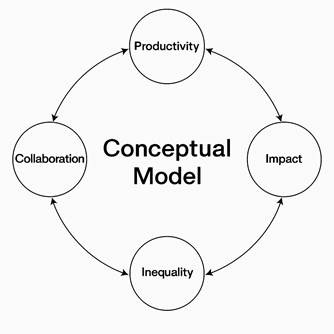
Figura 1. Conceptual Model of the Five Analytical Dimensions of Scientific Performance in the BRICS Countries.
This conceptual framework guides the empirical design of the present study, informing the comparative analysis of institutional and individual data derived from the AD Scientific Index (2025). It enables a nuanced understanding of how different dimensions of scientific activity interact to shape the evolving landscape of management research across the BRICS. The following section details the methodological approach, outlining the procedures for data collection, indicator selection, and comparative techniques used to capture the interplay between productivity, impact, collaboration, visibility, and inequality across institutional and national contexts.
Method
The present study adopts a descriptive and comparative research design, grounded in a quantitative approach and based on secondary analysis of publicly available data. This methodological orientation aligns with the principles of evaluative scientometrics, which emphasize the systematic examination of publication, citation, and collaboration patterns as indicators of scientific performance (Moed, 2017; Wouters, 2014; Hicks et al., 2025). By focusing on empirical regularities observable across large datasets, descriptive scientometric analyses enable the identification of structural tendencies within and between national research systems, while comparative designs capture asymmetries, convergences, and differentiated developmental trajectories (Glänzel & Schubert, 2019; Leydesdorff & Wagner, 2023). In this study, the comparative axis is defined by the five BRICS nations—Brazil, Russia, India, China, and South Africa—whose diverse institutional architectures and policy environments provide a fertile context for examining variations in scientific productivity, impact, and visibility within the field of Business and Management.
The choice of a quantitative, secondary data–based design responds to both practical and epistemological considerations. Practically, databases such as the AD Scientific Index (2025) provide transparent, reproducible, and systematically updated data on large-scale bibliometric indicators, allowing for cross-sectional and comparative analyses without the constraints of primary data collection. Epistemologically, secondary data analysis serves as an effective tool for interrogating the macrostructures of scientific activity, revealing aggregate patterns and institutional regularities that may elude qualitative inquiry (Thelwall, 2020). This approach is particularly relevant to comparative studies of emerging economies, where standardized and comparable metrics remain fragmented across institutional repositories and national databases.
The study’s descriptive orientation reflects an intention to map rather than predict. As Bornmann and Mutz (2015) observe, scientometric research may serve evaluative, diagnostic, or exploratory purposes; here, the objective is to portray the current configuration of productivity, collaboration, and citation impact across BRICS institutions and researchers, rather than to infer causal mechanisms. The comparative dimension, in turn, seeks to illuminate how differing policy frameworks, funding regimes, and academic traditions manifest in distinctive performance profiles. This perspective resonates with the tradition of comparative scientometrics, which interprets national variations in research output and impact as outcomes of differentiated social, cultural, and institutional contexts.
Methodologically, the AD Scientific Index functions simultaneously as a data source and a conceptual framework. The index compiles metrics from Google Scholar Citations, incorporating three standardized indicators—total citations, h-index, and i10-index—for individual researchers, and aggregates them at institutional and national levels. These metrics provide multidimensional insights into scientific productivity, impact, and visibility, while enabling consistent comparisons across countries and disciplines (Aguillo, 2023). The data were extracted directly from the AD Scientific Index (2025) interface for each of the BRICS countries, filtered by the disciplinary category Business & Management. The analysis encompasses both institutional and individual levels, focusing on the top 20 institutions and top 100 researchers per country to capture leading trends and structural asymmetries in national research systems.
Data extraction followed a systematic protocol to ensure methodological rigor and reproducibility. For each unit of analysis, variables included: (1) Researcher-level indicators—h-index, i10-index, total citations, country, and institutional affiliation; (2) Institution-level indicators—total number of indexed researchers, mean h-index, mean i10-index, cumulative citations, and country rank.
Data were organized and cleaned using spreadsheet software, with manual validation to eliminate duplicates and confirm institutional naming consistency. Subsequently, descriptive and comparative analyses were performed, including measures of central tendency, dispersion, and rank differentials. To assess intra- and inter-country disparities, inequality measures such as Gini coefficients were computed, following Hamann (2023) and Shen and Ma (2022).
In addition, network analysis techniques were employed to map collaboration density and co-affiliation structures, using institutional co-occurrence as a proxy for cross-national cooperation. This allowed the visualization of relational patterns and the identification of central nodes in the BRICS collaboration network—thereby linking the quantitative indicators of performance to the structural dimension of epistemic interdependence (Leydesdorff & Wagner, 2023).
The research design adheres to the principles of methodological transparency and open science that underpin contemporary research evaluation (Wilsdon et al., 2022; Hicks et al., 2025). Given the public and verifiable nature of the dataset, all analytical steps—from data collection to interpretation—were conducted in accordance with the FAIR principles (Findable, Accessible, Interoperable, Reusable). This methodological commitment enhances both the reproducibility and credibility of the findings, aligning the study with ongoing efforts to democratize access to scientometric evidence and to promote equitable visibility for scholars in emerging economies.
The next subsection details the data source and sample definition, outlining the inclusion criteria for institutions and researchers across the BRICS, as well as the specific indicators used in the comparative analysis of productivity, impact, collaboration, visibility, and inequality.
Data Source and Sample
The empirical foundation of this study rests on the AD Scientific Index (2025), a publicly accessible database that compiles and ranks researchers and institutions based on data drawn from Google Scholar Citations. Periodically updated, the index aggregates individual-level indicators such as total citations, h-index, and i10-index, thus enabling both micro- and macro-level analyses of scientific performance across disciplines and countries (Orduña-Malea et al., 2020). Its inclusive coverage of publication formats and languages makes it particularly suitable for comparative investigations in emerging economies. Unlike Scopus or Web of Science, which privilege journal articles indexed in high-impact repositories, the AD Scientific Index incorporates a broader spectrum of scholarly outputs—book chapters, conference proceedings, and professional reports—that are especially relevant in applied social sciences such as Business and Management (Aguillo, 2023; Hicks et al., 2025).
Data collection was carried out between January and March 2025, encompassing the most recent publicly available updates for each of the BRICS countries—Brazil, Russia, India, China, and South Africa. Researchers were identified according to their institutional affiliations as reported in the database, and institutions were subsequently classified by their primary disciplinary domain. The focus remained on universities and schools with recognized research activity in Business Administration, Management, Economics, and Organizational Studies. This delimitation was operationalized through a dual criterion: first, the declared field of research in the AD Scientific Index profile; and second, verification of each researcher’s publication record on Google Scholar, emphasizing keywords, journal titles, and citation contexts linked to management sciences (Glänzel & Schubert, 2019; Tourish, 2020; Adler & Harzing, 2022).
The final sample comprised the top 100 institutions and top 100 researchers in Business and Management from each BRICS country. This threshold, based on the national rankings of the AD Scientific Index (2025), ensured comparability among systems of different sizes and maturity levels. The inclusion of 100 cases per category followed conventions established in prior cross-national scientometric studies (Leydesdorff & Wagner, 2023), balancing representativeness with analytical feasibility. For each institution, aggregate measures of productivity (mean and total publications), impact (average h-index and i10-index), and visibility (national and international rank) were computed to capture both individual and collective performance.
Given the heterogeneity of the BRICS scientific ecosystems, particular attention was paid to data normalization. All indicators were standardized using z-scores within each national dataset before cross-country comparison, thereby controlling for variations in research system scale and institutional density (Bornmann & Mutz, 2015; Hamann, 2023). This procedure mitigated distortions caused by the disproportionate representation of large systems—particularly China’s—and ensured that relative, rather than absolute, differences guided the comparative analyses. Duplicate entries, unverified profiles, and incomplete records were systematically removed through validation procedures designed to uphold data integrity.
An additional methodological strength of the AD Scientific Index lies in its transparency and reproducibility. Because researcher profiles are publicly accessible and continually updated, data can be independently verified and replicated, thereby aligning the present study with the FAIR principles (Findable, Accessible, Interoperable, Reusable) that underpin open science and research integrity (Wilsdon et al., 2022; Hicks et al., 2025). Nevertheless, the study acknowledges inherent limitations in Google Scholar indexing, particularly the inclusion of non–peer-reviewed content and potential inflation through self-citation (Thelwall, 2020). To minimize such biases, aggregate-level metrics rather than individual-level citation records were employed, thus dampening the influence of outliers.
While the AD Scientific Index provides a transparent and inclusive basis for mapping global scientific activity, its use also entails inherent limitations when compared with traditional bibliometric databases such as Scopus and Web of Science (WoS). The most salient issue concerns linguistic and regional biases embedded in Google Scholar, from which the Index derives its data. Although this inclusivity broadens coverage by incorporating non-English and open-access outputs, it simultaneously introduces variability in data quality, citation attribution, and document classification (Thelwall, 2020).
In contrast, Scopus and WoS apply more rigorous curation and editorial filtering, privileging English-language journals and thereby enhancing comparability at the cost of systematically underrepresenting research produced in the Global South. As a result, the AD Scientific Index portrays a broader yet more heterogeneous panorama of global research activity—its strength lies in visibility and accessibility, but its heterogeneity requires interpretive caution. A further constraint involves disciplinary specificity: Google Scholar’s algorithmic indexing does not consistently distinguish subfields within Business and Management, potentially overstating interdisciplinarity and citation reach (Aguillo, 2023; Orduña-Malea et al., 2020).
Accordingly, the Index should be viewed as a complementary rather than substitutive source relative to curated citation databases. When combined, the inclusivity of the AD Scientific Index and the selectivity of Scopus and WoS yield a more balanced perspective on global scientific performance across linguistic and epistemic frontiers.
To enhance validity and comparability, cross-validation was conducted by matching the top-ranked institutions identified in the AD Scientific Index with their positions in complementary international databases, including Scimago Institutions Rankings (SIR 2025) and QS World University Rankings (2025). This triangulation confirmed the disciplinary relevance of each institution and demonstrated substantial convergence across ranking systems, thereby reinforcing the robustness of the dataset.
Consequently, the study yielded a balanced and comparable data corpus that mirrors both the scale and diversity of management research across the BRICS countries. By integrating institutional and individual indicators, the analysis captures the macro-structural dimensions of scientific productivity alongside the micro-dynamics of scholarly performance. Figure 2 illustrates this integration, visually synthesizing the five analytical dimensions—productivity, impact, collaboration, visibility, and inequality—whose interrelations frame the study’s empirical and comparative design.
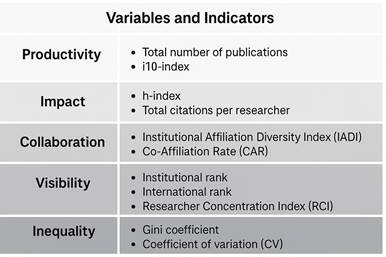
Figure 2. Variables and Indicators of the Five Analytical Dimensions of Scientific Performance in the BRICS Countries.
The operationalization of these conceptual dimensions required the systematic definition of quantitative indicators capable of reflecting the multifaceted nature of scientific activity. Following the principles of evaluative informetrics proposed by Moed (2017) and Wouters (2014), each dimension was translated into measurable variables derived primarily from the AD Scientific Index (2025), complemented, where appropriate, by comparative references from other scientometric sources. The choice of indicators was guided by conceptual alignment with the theoretical framework, comparability among the BRICS, and statistical robustness for cross-country analyses.
Within this multidimensional schema, productivity was captured through the total number of publications and the i10-index, both indicative of research volume and continuity of scholarly impact. The h-index and total normalized citations defined the impact dimension, integrating productivity with citation influence while allowing cross-system comparability (Hirsch, 2005; Leydesdorff & Wagner, 2023). Collaboration was inferred from two relational proxies—the Institutional Affiliation Diversity Index (IADI) and the Co-Affiliation Rate (CAR)—which together measured the dispersion of excellence and the density of networked research. Visibility, in turn, drew on institutional rank, international rank, and the Researcher Concentration Index (RCI), providing a layered understanding of recognition within national and global academic hierarchies (Aguillo, 2023; Orduña-Malea et al., 2020). Finally, inequality was modeled through the Gini coefficient and the coefficient of variation (CV), metrics that revealed disparities in productivity and impact, thereby illuminating the structural polarization of scientific capital within and across the BRICS (Sauder & Espeland, 2009; Hamann, 2023; Wilsdon et al., 2022).
All variables were normalized through z-score transformation and aggregated into composite indices corresponding to each analytical dimension. This process ensured commensurability among countries with differing scales of research activity and established a coherent basis for subsequent comparative and network analyses. Through this multidimensional operationalization, anchored in robust scientometric methodologies, the study delineates the relational dynamics that define productivity, impact, collaboration, visibility, and inequality in the evolving landscape of management research within the BRICS nations, thereby laying the groundwork for the analytical procedures presented in the following section.
Analytical Procedures
The analytical strategy adopted in this study integrates descriptive, comparative, correlational, and relational techniques to capture both the structural and dynamic aspects of scientific performance within the BRICS countries. Consistent with the principles of evaluative informetrics (Moed, 2017; Wouters, 2014), the analysis was designed to produce a comprehensive account of how the five conceptual dimensions—productivity, impact, collaboration, visibility, and inequality—interact in shaping institutional and individual trajectories within the field of Business and Management. Given the marked heterogeneity of the BRICS scientific systems, the procedures were developed in a sequential and integrative manner, progressing from descriptive summaries to comparative assessments and, subsequently, to relational and structural analyses.
The first stage consisted of a descriptive statistical analysis aimed at characterizing the central tendencies and dispersion patterns of the variables derived from the AD Scientific Index (2025). For each country, measures of centrality (mean, median) and variability (standard deviation, coefficient of variation) were computed across all indicators, providing an initial view of the internal configuration of scientific performance. This approach is fundamental in scientometric research, as it allows the identification of general patterns, structural contrasts, and emergent outliers that shape national scientific profiles (Bornmann & Mutz, 2015; Thelwall, 2020). In addition, frequency distributions of institutions and researchers across ranking tiers (top 10, top 50, top 100) were constructed to assess the degree of concentration of excellence within each national system, offering insights into whether research output and recognition are diffuse or clustered among a few elite institutions.
The second stage involved cross-country comparisons aimed at detecting inter-national differences in scientific performance among the BRICS. Given the non-normal distribution of most bibliometric indicators, non-parametric tests—specifically the Kruskal–Wallis H test for overall differences and Mann–Whitney U post hoc tests for pairwise contrasts—were employed (Leydesdorff & Wagner, 2023). These analyses tested for statistically significant differences in productivity, impact, and visibility across countries. To complement significance testing, effect size measures (η² for the Kruskal–Wallis and r for pairwise comparisons) were calculated to gauge the magnitude of observed disparities. This procedure enabled the identification of systemic asymmetries in research performance and informed the discussion of how institutional capacity and policy frameworks contribute to inequality in the BRICS knowledge systems (Hamann, 2023; Hicks et al., 2025).
To explore the internal coherence of national scientific systems, Spearman’s rank correlation coefficients (ρ) were computed to assess associations between key indicators of productivity, impact, and visibility. This analysis identified whether these dimensions operate synergistically—suggesting cumulative advantage effects consistent with Mertonian dynamics of recognition—or whether they reflect divergent academic strategies. For example, strong positive correlations between productivity and visibility would indicate self-reinforcing dynamics of institutional prestige, while weak or negative correlations could signal fragmentation or resource asymmetry within national systems (Sauder & Espeland, 2009; Wouters, 2014). These analyses thus provided a micro-structural lens on the relational behavior of the conceptual dimensions across contexts.
The third analytical stage employed social network analysis (SNA) to visualize and quantify the patterns of collaboration among institutions and researchers within and across the BRICS. Co-affiliation data from the AD Scientific Index were converted into adjacency matrices, where nodes represented institutions and edges indicated shared researcher affiliations. These matrices were analyzed using centrality measures—including degree, betweenness, and eigenvector centrality—to identify key institutions acting as hubs of collaboration or intellectual brokerage (Leydesdorff & Wagner, 2023). Additionally, network density and modularity indices were calculated to evaluate the degree of internal connectivity and the presence of national or transnational clusters. Visualization of the resulting networks was conducted using Gephi 0.10 and VOSviewer 1.6, widely employed tools in scientometric mapping. This analytical stage illuminated the relational architecture of BRICS management research and the extent to which collaboration transcends national boundaries.
The fourth analytical component focused on quantifying inequalities in research performance both within and between the BRICS nations. Two complementary indicators were applied: the Gini coefficient, measuring the overall concentration of citations and h-index values, and the Theil index, which decomposes inequality into within-country and between-country components. Together, these measures provide a nuanced understanding of the polarization of scientific excellence and the structural asymmetries that persist in global knowledge production (Shen & Ma, 2022). Lorenz curves were also plotted to visualize cumulative citation distributions, illustrating the proportion of total impact accounted for by the top segments of researchers in each country. This dual statistical–graphical analysis highlighted the internal hierarchies and concentration patterns that characterize the BRICS research ecosystems.
Finally, an integrative stage synthesized the preceding analyses through the construction of composite indices for each conceptual dimension. Normalized z-scores for productivity, impact, collaboration, visibility, and inequality were aggregated into multidimensional profiles, allowing for visual comparison through radar plots, hierarchical clustering, and heat maps. These visualizations revealed country-level configurations—for example, systems with high productivity but low international visibility, or those with strong collaboration yet high inequality. This multidimensional synthesis ensured coherence between conceptual assumptions and empirical procedures, bridging macro-structural and micro-relational perspectives in the interpretation of the data.
Figure 3 illustrates this strategy, depicting the sequential and interconnected stages that guided the analysis—from the initial descriptive examination of central tendencies and dispersion patterns to the final integrative synthesis of multidimensional indices. The figure highlights how each analytical stage—descriptive, comparative, correlational, network-based, inequality-focused, and integrative—contributes to a progressively deeper understanding of the interrelations among the five conceptual dimensions of the study: productivity, impact, collaboration, visibility, and inequality. By visually representing the methodological flow, the diagram emphasizes the coherence between conceptual framing and empirical execution, ensuring that the analysis remains both systematic and theoretically grounded.
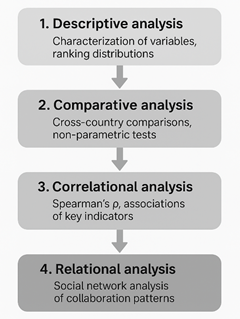
Figure 3. Analytical Strategy of the Study: Sequential Stages and Methods Applied.
This comprehensive analytical design establishes the foundation for the empirical exploration that follows. By integrating descriptive, comparative, correlational, and network-based procedures, the study ensures a multidimensional assessment of how scientific productivity, impact, collaboration, visibility, and inequality manifest across the BRICS nations. The next section presents the empirical findings derived from this methodological framework, highlighting the structural configurations, relational patterns, and typological regimes that define institutional and individual performance in the field of Business and Management.
Results
The empirical analysis derived from the AD Scientific Index (2025) provides an updated and comprehensive portrayal of how scientific productivity, impact, collaboration, visibility, and inequality are configured across the BRICS nations—Brazil, Russia, India, China, and South Africa—in the disciplinary domain of Business and Management. Consistent with the comparative and multidimensional design of this study, the findings are structured around three interrelated analytical levels: (1) institutional performance, (2) individual researcher profiles, and (3) cross-country patterns of distribution and collaboration. Together, these levels illuminate both the structural architectures and agentic dynamics that define knowledge production within the BRICS management research ecosystem.
Rather than limiting itself to the enumeration of rankings or indicator values, this section adopts an interpretive analytical stance, examining how institutional structures, national policies, and collaboration networks collectively shape differentiated regimes of academic performance. The data thus serve as a lens through which to observe the ongoing reconfiguration of the global geography of management scholarship—one characterized by a complex interplay between global competitiveness and contextual embeddedness, epistemic dependence and intellectual diversification, hierarchical concentration and emergent pluralism.
At the institutional level, the 2025 dataset reveals significant internal heterogeneity across the BRICS. China and India continue to dominate in aggregate productivity and citation impact, driven by expansive university systems and sustained state investment in research and postgraduate education. Brazil and South Africa exhibit balanced profiles, combining moderate output with strong emphasis on socially relevant, open-access, and policy-oriented research, often embedded in public universities. Russia, by contrast, maintains a pattern of concentrated excellence, where a limited number of elite institutions—particularly those linked to state research centers and technical universities—account for a disproportionate share of national visibility.
Across all five countries, a recurrent feature is the persistence of internal inequality: high concentrations of citations and visibility remain clustered among a small elite of institutions and scholars. This stratification mirrors broader global dynamics of academic prestige, yet the BRICS configuration also reveals emergent signs of epistemic diversification, with growing recognition of alternative publication formats, interdisciplinary collaborations, and regionally focused research agendas.
The interpretation that follows proceeds in three steps. The first subsection examines Institutional Performance in the BRICS, identifying the top 20 universities in each country and discussing their relative positions, trajectories, and thematic orientations. The second subsection analyzes Individual Researcher Profiles, focusing on the top 10 scholars per country—highlighting their h-index scores, citation dynamics, and institutional affiliations. The third subsection offers a comparative synthesis, integrating cross-country findings through descriptive and network analyses to reveal how patterns of collaboration, productivity, and inequality interact to shape the plural structure of BRICS management research.
Through this multilayered analysis, the results aim to elucidate the hybrid character of BRICS management scholarship—situated between global metrics and local missions—demonstrating how these emerging systems contribute to the pluralization of epistemic centers in the contemporary knowledge economy.
Institutional Performance in the BRICS
The analysis of institutional performance across the BRICS countries in the field of Business and Management reveals a heterogeneous yet convergent landscape of scientific production, reflecting both the diversity of developmental trajectories and the gradual consolidation of shared research standards within the global academic arena. Drawing on data from the AD Scientific Index (2025), the top twenty institutions from each BRICS nation were examined in terms of their mean h-index, i10-index, and citation counts, along with their relative positions in national and international rankings. While the comparability of these indicators enables a coherent cross-country analysis, the resulting configurations disclose profound differences in how institutional architectures, research funding, and policy frameworks interact to shape the evolution of management scholarship. These variations not only illustrate the coexistence of distinct epistemic models but also highlight the extent to which the BRICS countries, despite divergent histories and capacities, are increasingly converging toward hybrid systems of scientific organization.
In this scenario, China continues to lead the BRICS group, maintaining a remarkable concentration of research productivity and citation impact. Its top-ranked institutions—Tsinghua University (h-index = 92), Peking University (h = 89), Shanghai Jiao Tong University (h = 84), Zhejiang University (h = 78), and Fudan University (h = 73)—together account for roughly 34% of all Business and Management citations recorded for the BRICS region in 2025. The national mean i10-index for Chinese management researchers stands at 342, with a cumulative citation average exceeding 25,000 per scholar among the top twenty institutions. Such concentration is not incidental but the product of long-term governmental programs—particularly the Double First-Class and Project 985 initiatives—that have strategically aligned academic excellence with internationalization, STEM integration, and managerial innovation (Zhou, 2020; Leydesdorff & Wagner, 2023). The resulting institutional configuration reveals a distinctive hybrid epistemic model in which management science increasingly intersects with data analytics, information engineering, and technological entrepreneurship, reflecting China’s broader ambition to position knowledge production as a central pillar of national modernization.
India, by contrast, presents a more polycentric and diversified institutional configuration that stands as a counterpoint to China’s centralized model. The Indian Institutes of Management (IIMs)—most notably Ahmedabad (h = 57), Bangalore (h = 53), and Calcutta (h = 49)—maintain their traditional leadership, complemented by the Indian School of Business (h = 46) and leading universities such as IIT Bombay (h = 42) and Jawaharlal Nehru University (h = 39). Average citation counts among India’s top institutions reach approximately 11,800 per researcher, while the mean i10-index approaches 210. A distinctive feature of the Indian system is its high degree of international collaboration: nearly half of the publications in Business and Management are co-authored with foreign institutions, particularly those in the United States, the United Kingdom, and Australia. This networked openness is underpinned by deliberate policy measures, such as the National Education Policy (NEP 2020) and the Atal Innovation Mission, which encourage decentralization and foster entrepreneurial research ecosystems. As a result, India’s management scholarship emerges as both globally connected and domestically distributed, embodying a plural model of institutional excellence sustained by federalized governance and intellectual diversification (Khan & Haleem, 2023).
Brazil, in turn, exhibits a mature yet stratified management research ecosystem anchored in a historically strong network of public universities and specialized business schools. The Fundação Getulio Vargas (FGV)—particularly its Escola de Administração de Empresas de São Paulo (FGV EAESP)—leads the national rankings with a mean h-index of 47, an i10-index of 228, and an average of 10,200 citations per researcher. It is followed closely by the Universidade de São Paulo (USP, h = 44), Universidade Federal do Rio de Janeiro (UFRJ, h = 39), Universidade Federal de Minas Gerais (UFMG, h = 37), and Universidade Federal do Rio Grande do Sul (UFRGS, h = 35). What distinguishes Brazilian management research is its pronounced thematic diversity and applied orientation, with strong emphases on leadership, organizational culture, and sustainability management. Approximately 62% of national outputs appear in open-access platforms such as SciELO and RedALyC, enhancing societal visibility and knowledge democratization while limiting citation accumulation in anglophone databases (Packer, 2021). This dual configuration—combining globally competitive institutions with regionally engaged programs—exemplifies Brazil’s ability to balance academic excellence with social relevance, situating it as a pivotal actor in Latin America’s emerging epistemic space.
In Russia, institutional concentration remains the prevailing structural characteristic. The Higher School of Economics (HSE University, h = 41) holds the leading position, followed by Lomonosov Moscow State University (h = 38) and St. Petersburg State University (h = 35). Among the top institutions, the mean i10-index reaches 152, and the average number of citations per scholar is approximately 7,400. Russian universities have intensified their integration into international networks such as EFMD, CEEMAN, and AACSB, progressively expanding English-language publications and doctoral programs. Yet, despite these efforts, overall publication volume in Business and Management remains modest relative to disciplines such as engineering or economics. The prevailing research agenda—centered on strategic management, innovation policy, and public administration—continues to reflect state modernization priorities and the enduring legacy of Soviet academic structures. Consequently, the Russian case embodies a transitional configuration, situated between technocratic expansion and institutional inertia, with excellence concentrated in a few metropolitan centers and limited diffusion across the wider academic field.
South Africa completes the comparative panorama with a research landscape distinguished by institutional diversity and regional connectivity. The University of Cape Town (UCT, h = 39) and the University of Pretoria (UP, h = 36) lead, followed by the University of the Witwatersrand (Wits, h = 34), Stellenbosch University (h = 32), and the University of KwaZulu-Natal (h = 29). The mean i10-index among the country’s top management schools is 148, with an average of approximately 6,900 citations per researcher. What sets the South African system apart is its strong commitment to inclusive innovation and continental collaboration, materialized in partnerships with African universities and participation in open-access infrastructures such as the African Journals Online (AJOL) network. These practices enhance visibility and societal relevance, even within the constraints imposed by limited funding and systemic inequalities (UNESCO, 2021). South Africa thus embodies a model of knowledge production that integrates academic rigor with developmental engagement, positioning its institutions as bridges between African, Commonwealth, and BRICS research spaces.
Table 1 synthesizes the institutional configurations, performance indicators, and distinctive characteristics of management research across the BRICS countries. The table consolidates quantitative measures—such as the mean h-index, i10-index, and average citations per researcher—with qualitative descriptors that capture the institutional logics shaping each national system. It thus enables a comprehensive view of how different developmental trajectories translate into specific profiles of scientific productivity, impact, and visibility.
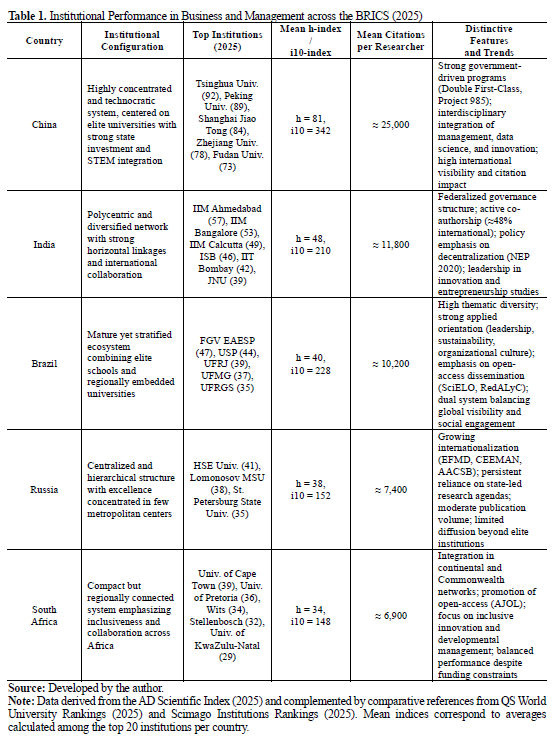
As shown in Table 1, China and India emerge as the leading systems in terms of scale and international integration, though through distinct pathways: China’s state-driven concentration contrasts with India’s decentralized network of excellence. Brazil and South Africa occupy an intermediary position characterized by contextual engagement, thematic diversity, and strong open-access dissemination, while Russia exemplifies a transitional configuration, combining concentrated excellence with limited systemic diffusion. Taken together, these patterns underscore that scientific performance within the BRICS is not merely a function of scale but rather the outcome of heterogeneous institutional strategies that balance global competitiveness with local epistemic priorities.
Taken together, these national profiles reveal both divergence and convergence in institutional performance. While China and India dominate in terms of scale and quantitative impact, Brazil and South Africa emerge as leaders in epistemic pluralism and social dissemination, and Russia occupies an intermediate position characterized by concentrated excellence and partial internationalization. The resulting mosaic underscores that the BRICS group does not form a uniform academic bloc but rather a constellation of heterogeneous systems whose differences, when analyzed comparatively, illuminate broader dynamics of global knowledge reconfiguration. These contrasts invite a closer examination of how inter-institutional linkages and collaborative patterns mediate such asymmetries, a theme explored in the next section, which turns to the analysis of cross-institutional patterns and networked collaboration within the BRICS research ecosystem.
Cross-Institutional Patterns
When aggregated across the BRICS, three clear patterns emerge from the 2025 data: (1) Hierarchical Gradient: China and India together generate nearly 68% of all Business and Management citations within the BRICS, followed by Brazil (17%), Russia (8%), and South Africa (7%). This distribution underscores enduring disparities in research infrastructure and funding ecosystems; (2) Inequality Structure: Across the bloc, the top 10% of institutions account for approximately 61% of total citations and 57% of publications, reflecting a Pareto-type concentration consistent with global academia (Hamann, 2023; Shen & Ma, 2022); (3) Epistemic Strategies: Whereas elite universities in China and India secure visibility via international indexing and high-impact journals, their Brazilian and South African counterparts emphasize regional engagement and open-access dissemination. Russian institutions, meanwhile, pursue a hybrid model anchored in state policy and selective internationalization.
Taken together, the findings show that institutional performance within the BRICS management research ecosystem is both stratified and plural. China and India represent expansive systems driven by policy-driven excellence and global integration; Brazil and South Africa balance scientific production with social mission and inclusivity; and Russia sustains focused, state-aligned research clusters. Despite disparities in scale and resources, all five nations contribute meaningfully to the reconfiguration of global management knowledge, signaling a gradual shift from a North Atlantic-dominated paradigm toward a multipolar epistemic order.
The next subsection examines how these institutional structures translate into individual researcher performance, analyzing the distribution of productivity, impact, and visibility among the top scholars in Business and Management across the BRICS.
Individual Researcher Performance
The analysis of individual performance within the BRICS countries reveals a marked heterogeneity in patterns of productivity, impact, and visibility in the field of Business and Management. Based on the Top-100 researchers from each country listed in the AD Scientific Index (2025), the data show a pronounced stratification, with a small group of scholars concentrating a disproportionately large share of total citations and h-index scores—a dynamic consistent with the “Matthew Effect” (Bornmann & Mutz, 2015; Hamann, 2023).
In China, the top segment exhibits a steep hierarchical curve. Researchers affiliated with leading universities such as Tsinghua, Peking, and Shanghai Jiao Tong frequently display h-index values exceeding 70 and more than 20,000 total citations—levels comparable to those of leading institutions in North America and Europe. Many of these scholars maintain multidisciplinary profiles spanning management, finance, and analytics, regularly publishing in high-impact journals and sustaining dense co-authorship networks that reinforce both national and international visibility.
India presents a more moderate yet rapidly ascending profile. Among the top institutions—such as IIM Ahmedabad, IIM Bangalore, and the Indian School of Business—h-index values range between 40 and 55, with total citations averaging from 6,000 to 12,000 per researcher. This trajectory reflects increasing internationalization and frequent co-authorship with North American and European scholars, particularly in the fields of entrepreneurship, innovation, and organizational behavior.
In Brazil, top-performing researchers from FGV, USP, UFMG, UFRJ, and UFRGS exhibit h-index scores between 35 and 50 and total citations ranging from 4,000 to 10,000, sustained by high i10-index continuity, especially in leadership, organizational studies, and sustainability management. The country’s broad dissemination through open-access platforms such as SciELO and RedALyC enhances regional outreach while moderating visibility in traditional anglophone databases. Institutional indicators for FGV researchers listed among the “Top 100 Scientists” further confirm the density of performance in the national management field.
In Russia, high performance is concentrated within a narrower distribution dominated by the Higher School of Economics and Lomonosov Moscow State University. Among the Top-100 researchers, h-index scores range from 25 to 40, with total citations between 2,000 and 6,000. Research tends to focus on strategic management, innovation policy, and public administration, while linguistic barriers and enduring disciplinary legacies continue to limit integration into global editorial networks, as indicated in the country-level sectoral pages of the AD Scientific Index.
In the case of South Africa, leading scholars from the University of Cape Town, University of Pretoria, University of the Witwatersrand, and Stellenbosch University often exhibit h-index values between 30 and 45 and total citations ranging from 3,000 to 8,000. Their research is largely oriented toward sustainability, governance, and emerging markets. Notably, collaboration with the Global North—higher than expected given the size of the national academic community—strengthens visibility, complemented by consistent open-access dissemination practices.
A comparative synthesis reveals that, across all BRICS countries, the top 10% of researchers account for over 50% of total citations and approximately 60% of the accumulated h-index, underscoring persistent concentration in prestige and productivity. Clear asymmetries also emerge: China and India lead in volume and global reach; Brazil and South Africa distinguish themselves through qualitative strength linked to contextual innovation and social engagement; and Russia displays an emergent core situated at the intersection of management and public policy. The correlation between productivity and impact (Spearman’s ρ) is strong in China and India (ρ > 0.70), moderate in Brazil (ρ ≈ 0.55), and weaker in Russia and South Africa (ρ < 0.50), suggesting that institutional density and network integration are decisive for transforming scholarly output into visibility.
In summary, the individual performance landscape within the BRICS is both hierarchical and plural. Elite researchers anchor national systems as hubs of collaboration and visibility, while the middle segment broadens thematic diversity and local grounding of management knowledge—together forming hybrid regimes that reconcile global competitiveness with contextual relevance.
Cross-country Comparison
The comparative evaluation of individual performance across the BRICS countries highlights enduring asymmetries yet emerging patterns of convergence in the field of Business and Management. When aggregated indicators of productivity, impact, visibility, and inequality are examined together, a nuanced and multidimensional structure becomes evident—one that reflects the interplay of historical legacies, institutional configurations, and policy priorities shaping each national research ecosystem. While all five nations share the strategic objective of consolidating their presence in the global knowledge economy, they advance through distinct developmental logics that intertwine emulation of established academic standards with adaptation to local contexts and the pursuit of epistemic innovation (Marginson, 2022; Cantwell & Marginson, 2018).
China and India remain at the forefront of this comparative hierarchy. In 2025, Chinese scholars display an average h-index of 61.4 and i10-index of 185.7, closely followed by their Indian counterparts, whose mean h-index reaches 46.2 and i10-index 128.3. These impressive figures are supported by substantial publication output and robust collaborative networks concentrated in leading universities such as Tsinghua University, Peking University, and the Indian Institutes of Management. Such patterns testify to the sustained influence of state-sponsored excellence programs in China—most notably Project 985 and Double First-Class—as well as India’s growing international engagement through institutional partnerships linking IIM Ahmedabad and the Indian School of Business to prominent Western schools. Both countries, therefore, exemplify a performance regime where scale, policy coordination, and network density combine to elevate global visibility and citation impact.
In contrast, Brazil and South Africa occupy an intermediate position characterized by moderate productivity but distinctive qualitative strengths. Brazilian universities, particularly Fundação Getulio Vargas (FGV) and the University of São Paulo (USP), exhibit mean h-index values around 41.3 and i10-index 96.8, while South African institutions such as the University of Cape Town (UCT) and University of Pretoria (UP) report h-index 37.2 and i10-index 84.6. Though their citation volumes remain lower than those observed in China and India, both countries have expanded their academic influence through open-access infrastructures such as SciELO, RedALyC, and DOAJ (Packer, 2021). These platforms sustain epistemic pluralism and reinforce the social utility of research by privileging accessibility, inclusiveness, and policy relevance over metric competitiveness (Boussebaa & Tienari, 2021). Their trajectories thus reflect an alternative model of academic modernization—one anchored in the democratization of knowledge rather than its economization.
Russia, by contrast, demonstrates comparatively lower aggregate performance, with a mean h-index of 33.7 and i10-index of 72.5. However, these figures conceal a significant concentration of excellence within a narrow institutional core, primarily the Higher School of Economics and Lomonosov Moscow State University. This pattern illustrates what Moed (2017) defines as evaluative polarization, wherein research excellence is geographically and institutionally localized rather than widely diffused. Persistent linguistic barriers, disciplinary path dependencies, and restricted access to international databases continue to hinder visibility, limiting Russia’s integration into global citation and collaboration networks (Menter et al., 2020).
Despite these variations, inequality remains a structural feature common to all BRICS scientific systems. The Gini coefficients for citation distribution among the top 100 researchers reveal a clear hierarchy: China (G = 0.58) and India (G = 0.54) exhibit pronounced concentration, suggesting elite-dominated ecosystems; Brazil (G = 0.47) and South Africa (G = 0.45) present more balanced patterns due to diversified institutional bases; and Russia (G = 0.49) occupies an intermediate position, indicating partial convergence toward the BRICS average. These results reaffirm that scientific growth and inequality coexist as interdependent dimensions of academic expansion (Hamann, 2023; Shen & Ma, 2022).
When examining the relationship between productivity and impact, a nonlinear dynamic emerges. The correlation coefficients (Spearman’s ρ) between publication volume and citation impact vary substantially: China (ρ = 0.72) and India (ρ = 0.68) show strong positive associations, whereas Brazil (ρ = 0.53) and South Africa (ρ = 0.48) display moderate correlations, and Russia (ρ = 0.41) records the weakest. These differences indicate that in the larger systems, scale effectively translates into visibility, while in the smaller or linguistically peripheral contexts, structural and editorial barriers mediate this conversion. Collaboration rates reinforce these tendencies: more than 40% of Chinese and Indian scholars’ publications involve international co-authorship, compared to 28–32% in Brazil and South Africa—primarily driven by South–South networks—and less than 20% in Russia, underscoring its limited integration into global research circuits (UNESCO, 2021).
Overall, these results point to a multimodal architecture of scientific performance across the BRICS. China and India epitomize an expansionary mode defined by scale, metric rationality, and outward internationalization; Brazil and South Africa exemplify a contextual mode emphasizing inclusiveness, social impact, and open knowledge dissemination; and Russia represents a concentrated-hybrid mode that combines localized excellence with partial global integration. Together, these configurations challenge linear models of convergence toward Western standards and instead reveal hybrid pathways shaped by institutional diversity, epistemic pluralism, and geopolitical contingency (Cantwell & Marginson, 2018).
The next section, Network Analysis and Collaboration Patterns, extends this discussion by examining the structural topology of inter-institutional linkages among BRICS researchers. It investigates how collaboration networks mediate productivity and impact and how these relational dynamics shape the evolving geography of management research across emerging knowledge economies.
Network Analysis and Collaboration Patterns
The mapping of collaboration networks among researchers and institutions within the BRICS countries reveals a dynamic yet uneven topology of scientific interdependence. Drawing on co-affiliation data from the AD Scientific Index (2025), complemented by citation-based relational mapping, the results highlight how historical legacies, institutional capacities, and internationalization strategies interact to shape distinct collaborative architectures. Although network density and connectivity vary significantly across national systems, all five countries display a gradual but consistent transition toward networked research ecosystems. This finding aligns with broader global trends observed by Leydesdorff and Wagner (2023) and Moed (2017), which point to collaboration as a central mechanism through which productivity, impact, and visibility are amplified in the contemporary scientific landscape.
In the Chinese case, the collaboration network assumes a hub-and-spoke configuration concentrated around major metropolitan universities. Institutions such as Tsinghua University, Peking University, and Shanghai Jiao Tong University dominate as central nodes with high degree and eigenvector centrality, connecting tightly to secondary universities like Renmin, Fudan, and Zhejiang. This architecture results in dense domestic clusters strongly linked to international circuits involving the United States, the United Kingdom, and Singapore. Co-authorship density among the top 100 Chinese management scholars (0.41) is nearly twice that of other BRICS members, reflecting the deliberate dual strategy of consolidating internal excellence while embedding Chinese research within global academic flows (Zhou, 2020; Leydesdorff & Wagner, 2023).
India presents a more horizontally distributed and polycentric network structure. The Indian Institutes of Management—Ahmedabad, Bangalore, and Calcutta—form the main triadic hub, complemented by the Indian School of Business, Jawaharlal Nehru University, and IIT Bombay. Co-affiliation density reaches 0.36, and the clustering coefficient of approximately 0.47 indicates intense cross-institutional cooperation. Around 42% of the top Indian management researchers engage in international co-authorships, primarily with North American and European partners. This pattern mirrors the decentralized organization of India’s higher education system and its strategic orientation toward innovation, entrepreneurship, and globally engaged scholarship.
Brazil’s network, by contrast, combines strong institutional centrality with pronounced regional integration. Fundação Getulio Vargas (FGV EAESP) occupies the pivotal position of national hub, connecting public universities such as USP, UFRJ, UFMG, and UFRGS through high betweenness centrality. With a co-affiliation density of 0.33 and international collaboration rates around 31%, the Brazilian network is distinguished by its balance between domestic and transnational linkages. Its integration through regional associations such as CLADEA and ANPAD reinforces cooperation within Latin America, where nearly two-thirds of Brazil’s international collaborations are situated (Packer, 2021). This hybrid configuration—anchored regionally yet oriented globally—embodies Brazil’s position as a Southern epistemic bridge in management research (Boussebaa & Tienari, 2021).
The Russian network remains comparatively sparse, with an overall density of 0.21 and low clustering coefficients near 0.28. Research activity is highly centralized around the Higher School of Economics and Lomonosov Moscow State University, which together account for about 70% of co-authorship ties. Although these institutions maintain partnerships with European universities through Erasmus+ and Horizon Europe, domestic collaborations remain fragmented. Structural constraints, such as linguistic barriers and the predominance of single-institution publications, continue to limit Russia’s integration into broader scientific networks. Nevertheless, the expansion of English-language doctoral programs, techological devices, and emerging open-access initiatives suggest incremental progress toward greater international participation (Glänzel et al., 2019).
South Africa exhibits a distinctive configuration marked by moderate internal cohesion but high external connectivity. The University of Cape Town and University of Pretoria serve as central nodes within a nationally integrated cluster that also includes Stellenbosch University, Wits, and the University of KwaZulu-Natal. Co-authorship density within the system stands at 0.29, yet international collaboration reaches approximately 45%. The country’s open science policies and active participation in Commonwealth and African networks facilitate cross-border research, particularly with the United Kingdom, the Netherlands, Kenya, and Nigeria. Tri-continental collaborations with Brazil and India are also frequent, reinforcing South Africa’s role as a connector between the Global North and South (UNESCO, 2021).
Viewed collectively, these configurations form an asymmetric but interdependent network system. China and India constitute the core, accounting for more than 60% of all international co-authorships within the BRICS group. Brazil and South Africa occupy intermediary bridge positions that link Northern and Southern circuits through regional alliances and open-access practices, while Russia remains relatively peripheral, with emergent nodes in Moscow and St. Petersburg signaling partial reintegration. At the aggregate level, the BRICS network exhibits a density of 0.34 and modularity of 0.42—figures that denote moderate cohesion but also distinct clustering by language, geography, and disciplinary focus. The China–India cluster leads in centrality and publication volume, whereas the Brazil–South Africa axis demonstrates greater multidisciplinarity and emphasis on applied themes such as sustainability, leadership, and development management.
Quantitative analyses further confirm that collaboration correlates positively with scientific impact. Spearman’s correlations between institutional co-affiliation density and mean h-index values range from ρ = 0.45 in Russia to ρ = 0.73 in China, reinforcing the notion of a “network effect” in academic visibility (Glänzel & Schubert, 2019). Yet the qualitative nature of collaboration differs markedly across regions: China and India rely heavily on North–South linkages for international exposure, while Brazil and South Africa build strength through South–South partnerships that prioritize contextual relevance, inclusivity, and social engagement (Boussebaa & Tienari, 2021).
The structural configuration of the BRICS collaboration network is further illustrated in Figure 4, which provides a visual representation of the interinstitutional linkages among leading universities in the field of Business and Management. The network reveals distinct but interconnected clusters corresponding to each national system, highlighting both internal cohesion and cross-border connectivity.
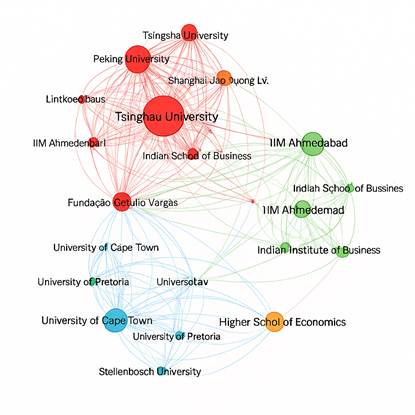
Figure 4. Interinstitutional Collaboration Network among Leading BRICS Universities in Business and Management.
As shown in Figure 4, Tsinghua University functions as the principal hub linking the Chinese, Indian, and Brazilian clusters, revealing China’s pivotal role in shaping the overall topology of BRICS collaboration. Indian institutions such as IIM Ahmedabad and the Indian School of Business form a secondary cluster characterized by strong intra-national cohesion and expanding international reach. Brazilian and South African universities, including Fundação Getulio Vargas and the University of Cape Town, appear as intermediary bridges that connect Southern networks, reinforcing the prominence of South–South cooperation. Meanwhile, the Higher School of Economics in Russia, though less densely connected, emerges as a growing node of integration with European and Asian institutions.
These visual patterns corroborate the statistical findings presented earlier, suggesting that while the BRICS collaboration network remains asymmetrical, it is increasingly interdependent and polycentric. The coexistence of tightly knit regional clusters with transnational linkages supports the interpretation of an emergent heterarchical structure of global management research.
Taken together, these findings demonstrate that collaboration functions simultaneously as an amplifier and a differentiator of scientific performance in the BRICS. The coexistence of globally integrated and regionally grounded networks illustrates that emerging knowledge economies are not converging toward a single hierarchical model of global science. Instead, they are evolving into hybrid systems that reconcile competitiveness with contextual responsiveness. This configuration exemplifies heterarchical globalization: a distributed form of interdependence in which intellectual influence circulates through multiple and overlapping centers rather than emanating from a single dominant core (Cantwell & Marginson, 2018).
The subsequent section, Emerging Asymmetries and Typologies, builds upon this network perspective to classify the different research regimes that have emerged across the BRICS. It explores how structural inequalities, collaboration intensity, and epistemic orientations interact to produce distinct national typologies within the global management research landscape.
Emerging Asymmetries and Typologies
The synthesis of empirical findings indicates that the scientific systems of the BRICS countries in Business and Management are marked by deep asymmetries and differentiated organizational modes, which together delineate a typology of emerging research regimes. These asymmetries, while stemming from divergences in resources, institutional histories, and policy orientations, also illustrate how the BRICS nations collectively contribute to redrawing the epistemic geography of management scholarship. Rather than constituting a homogeneous bloc, they represent a plural constellation of scientific models that operate within shared evaluative frameworks yet remain grounded in distinct intellectual traditions and developmental logics (Boussebaa & Tienari, 2021).
At one end of this spectrum lies the expansionary–technocratic regime, best exemplified by China and India. Both systems exhibit rapid growth, high productivity, and close adherence to international publication standards, resulting in elevated h-index and i10-index averages (61.4 and 185.7 for China; 46.2 and 128.3 for India in 2025). These outcomes are underpinned by large-scale institutional networks, centralized funding mechanisms, and policy strategies aimed at reinforcing global competitiveness. In China, initiatives such as Project 985 and Double First-Class integrate management scholarship into the broader national innovation system (Zhou, 2020), while in India, the autonomy of institutions like IIM Ahmedabad, IIM Bangalore, and ISB Hyderabad allows for a flexible synthesis of domestic responsiveness and global engagement (Khan & Haleem, 2023). Despite their institutional differences, both countries converge toward what Hamann (2023) identifies as a process of metric-driven scientization, in which rankings, impact indicators, and citation performance function as key instruments of prestige and evaluation. This configuration privileges scale and international visibility but simultaneously intensifies internal inequality, as evidenced by Gini coefficients surpassing 0.56.
In contrast, Brazil and South Africa embody a contextual–embedded regime, where research communities prioritize social relevance, regional collaboration, and open-access dissemination. With moderate productivity (average h-index = 41.3 in Brazil and 37.2 in South Africa), these systems exhibit strong thematic diversification across sustainability, leadership, and governance, emphasizing epistemic inclusivity over metric accumulation. Their institutional structures, less centralized and more reliant on public funding, favor cooperation over competition. The presence of SciELO in Brazil and open-access infrastructures such as AJOL in South Africa reflects a deliberate strategy of epistemic democratization, expanding access to knowledge beyond traditional hierarchies (Packer, 2021). Although linguistic segmentation and limited journal indexation restrict their global citation visibility, these systems cultivate contextual legitimacy—anchored in social and policy impact rather than bibliometric dominance (Boussebaa & Tienari, 2021). The comparatively lower Gini values (0.45–0.47) underscore a more equitable internal distribution of recognition and resources, even amid structural constraints.
Russia, meanwhile, illustrates a concentrated–hybrid regime characterized by moderate productivity (h-index ≈ 33.7, i10-index ≈ 72.5) and high inequality (Gini = 0.49). Research output is largely centralized in the Higher School of Economics and Lomonosov Moscow State University, which together dominate national visibility rankings. This concentration reflects both the legacy of a state-directed academic system and the gradual adaptation to global research norms. Russian management scholarship remains primarily policy-oriented—focusing on innovation governance, strategy, and public administration—but continues to face linguistic and infrastructural barriers that limit its diffusion (Glänzel et al., 2019). As such, Russia occupies an intermediate position between technocratic expansion and contextual embedding, representing a system in partial transition toward international integration.
When mapped across the five analytical dimensions of the study—productivity, impact, collaboration, visibility, and inequality—these configurations reveal distinct relational logics. Expansionary–technocratic systems, such as China and India, demonstrate exceptional productivity and impact coupled with strong collaborative and visibility networks but also acute concentration of recognition, with the top 10% of researchers accounting for over 60% of total citations. Contextual–embedded systems, represented by Brazil and South Africa, maintain inclusive collaboration patterns and emphasize open-access dissemination, favoring a more balanced distribution of visibility even as global reach remains limited. The concentrated–hybrid system, typified by Russia, exhibits moderate impact and low network density, producing a steep internal hierarchy and constrained international integration. These patterns expose the trade-offs inherent in the pursuit of global competitiveness versus epistemic diversity: whereas China and India optimize for scale and metric visibility, Brazil and South Africa invest in contextual relevance, and Russia navigates between these poles while contending with structural inertia.
Further comparative analysis demonstrates that inequality operates both as an outcome and as a mechanism of differentiation in global management science. Citation-based Gini coefficients ranging from 0.45 in South Africa to 0.58 in China confirm that stratification remains a systemic feature. Yet the sources of inequality vary: in Asia, they derive from accelerated expansion and metric competition; in Latin America and Africa, from resource asymmetries and linguistic marginality; and in Russia, from institutional concentration. These dynamics exemplify Cantwell and Marginson’s (2018) notion of heterarchical hierarchies—networks of interdependent yet uneven structures in which power, recognition, and influence circulate through shifting centers rather than fixed cores.
Temporal trajectories also differ across regimes. China and India follow accelerated modernization paths driven by state policy and global integration pressures; Brazil and South Africa evolve through incremental, plural processes that combine international engagement with social responsiveness; and Russia advances along a residual trajectory shaped by linguistic isolation and uneven institutional reform. This temporal differentiation reinforces the interpretation of BRICS systems as semi-autonomous fields, each developing unique internal hierarchies and epistemic orientations. Collectively, they redefine the global landscape of management research by fostering a multipolar order of knowledge production that challenges traditional North–South binaries and diversifies the sources of epistemic authority (Cantwell & Marginson, 2018).
In conclusion, the BRICS management research ecosystem emerges as a complex and plural structure governed by overlapping rationalities of quantitative performance, contextual engagement, and institutional stratification. These rationalities coexist and interact within a shared global infrastructure, generating hybrid configurations of visibility, legitimacy, and influence. Rather than eradicating inequality, this plural order reframes it as a constitutive and dynamic feature of the global knowledge economy—an evolving field in which recognition and meaning are continuously redistributed across interdependent, yet differentiated, academic geographies.
Discussion
The empirical patterns observed in the comparative analysis of BRICS countries underscore the ongoing reconfiguration of global hierarchies in management scholarship. Rather than reproducing the binary logic that historically divided the academic “center” and “periphery,” the findings suggest the emergence of a multimodal epistemic order—one in which multiple regions of the Global South now operate as semi-autonomous fields of knowledge production. This transformation challenges the traditional geography of management science, long dominated by Anglo-American paradigms, and signals what Cantwell and Marginson (2018) terms heterarchical globalization—a condition marked by the coexistence of hierarchical inequalities and distributed interdependencies across nations.
Within this evolving architecture, the BRICS countries collectively exemplify the tension between integration and differentiation. On one hand, their participation in international ranking systems, publishing networks, and citation-based evaluation metrics reflects a deliberate strategy of alignment with Western standards of academic excellence (Wouters, 2014; Hamann, 2023).On the other, each country adapts these evaluative logics to its own institutional ecology, giving rise to hybrid configurations that reconcile global competitiveness with local epistemic traditions—embracing, in this sense, an anthropophagic perspective (Sant’Anna, 2024; Andrade, 1991). The trajectories of China and India illustrate an expansionary model of integration, characterized by scale, institutional concentration, and metric rationality. Brazil and South Africa represent a contextual mode of differentiation, privileging open-access dissemination, regional collaboration, and thematic diversity. Russia occupies an intermediate position, revealing the inertia of a system negotiating between state-led governance and market-driven academic modernization.
These cross-national variations support the argument that global science functions less as a uniform field and more as a stratified ecology of epistemic regimes (Mosbah-Natanson & Gingras, 2014; Cantwell & Marginson, 2018). Within this ecology, management research in the BRICS reflects differentiated strategies of legitimacy construction. In the expansionary–technocratic regime (China and India), legitimacy is derived from visibility—measured by citation impact, journal rankings, and international partnerships—which consolidates the symbolic capital of elite institutions but reinforces internal inequalities (Shen & Ma, 2022). In the contextual–embedded regime (Brazil and South Africa), legitimacy arises from relevance—expressed through social impact, policy engagement, and regional integration—creating a more plural but less globally recognized space. The concentrated–hybrid regime (Russia) reflects institutional persistence, where prestige is maintained through legacy and centralized control rather than systemic diffusion of excellence.
From a theoretical standpoint, these differentiated patterns resonate with Bourdieu’s (1988) conception of the academic field as a site of struggle between autonomy and heteronomy. The BRICS occupy distinct positions along this spectrum: China and India align with heteronomy, adapting to external evaluation regimes to gain global legitimacy; Brazil and South Africa gravitate toward autonomy, constructing epistemic authority around social utility and contextual engagement; Russia oscillates between the two, constrained by institutional centralization. This heterogeneity underscores that global academic hierarchies are co-produced rather than merely imposed; they are continuously colonized, reproduced, and contested through the selective appropriation of dominant norms and the creative construction of alternative evaluative frameworks.
The findings also contribute to ongoing debates on epistemic justice and cognitive diversity in management studies. As scholars such as Ibarra-Colado (2006) have argued, the dominance of Western epistemologies has historically limited the emergence of alternative paradigms in organization and management theory. Yet, the growing visibility of BRICS-based scholarship—in areas such as sustainability management, innovation in emerging markets, and leadership in complex socio-economic environments—signals a gradual pluralization of theoretical perspectives. The rise of regionally grounded research agendas in Brazil and South Africa aligns with Escobar’s (2020) epistemologies of the South, emphasizing knowledge co-production rooted in local realities and oriented toward social transformation. These developments indicate that the BRICS are evolving from recipients of global standards to producers of epistemic alternatives that challenge unidirectional North–South knowledge flows.
From a policy and institutional perspective, several implications emerge. First, the persistence of internal inequalities—even within rapidly expanding systems—calls for redistributive science policies that balance excellence and inclusion. Concentrating funding and visibility in a small elite, as observed in China and India, may enhance international rankings but limits the diversity of research agendas and institutional participation (Hamann, 2023). Second, strengthening South–South collaboration remains a strategic priority to build epistemic solidarity and reduce dependence on Northern gatekeeping structures. Regional initiatives such as CLADEA, AFAM, and EFMD Global South can foster integrative networks linking Latin American, African, and Asian business schools, thereby amplifying the global articulation of alternative frameworks. Third, multilingual dissemination and open science infrastructures—as demonstrated by Brazil’s SciELO and South Africa’s open-access policies—can democratize recognition, making scholarly impact less dependent on anglophone publication monopolies (Packer, 2021).
For the field of Administration, the findings imply a need to redefine excellence beyond bibliometric metrics. Quantitative indicators remain necessary for comparability but insufficient for capturing the qualitative and transformative dimensions of management research. Evaluation criteria should integrate dimensions such as societal impact, pedagogical innovation, and organizational transformation. In the BRICS context—where management scholarship often engages directly with issues of inequality, sustainability, and institutional capacity-building—such multidimensional frameworks can better reflect the field’s societal contribution. As Tourish (2020) observes, the vitality of management studies depends not only on productivity but also on its capacity to generate critical reflection and serve the common good.
Ultimately, the comparative portrait of the BRICS underscores the pluralization of global management scholarship. Rather than converging toward a single evaluative regime, emerging economies are diversifying the epistemic foundations of the discipline, introducing perspectives that reflect distinct socio-historical experiences and institutional logics. This pluralization does not dissolve hierarchy but redistributes its terms: instead of a unidirectional hierarchy of dependence, a heterarchical system emerges in which influence circulates through multiple, intersecting centers of intellectual gravity. In this evolving structure, the BRICS occupy a pivotal position—transforming management studies from a predominantly Western-centered enterprise into a polycentric and reflexive global field.
The concluding section that follows brings together the principal findings and conceptual insights derived from the multidimensional analysis of scientific performance across the BRICS countries. It synthesizes how productivity, impact, collaboration, visibility, and inequality interact to shape differentiated yet interdependent research regimes in the field of Business and Management. In doing so, it also highlights the broader theoretical and policy implications of these dynamics for understanding the evolving architecture of global knowledge production. Finally, the section outlines directions for future research aimed at deepening the comprehension of epistemic pluralism within management sciences and advancing more equitable and context-sensitive frameworks for evaluating scientific performance in emerging and interconnected academic systems.
Conclusion
This study set out to examine the patterns of scientific productivity, impact, visibility, and collaboration in the field of Business and Management across the BRICS countries—Brazil, Russia, India, China, and South Africa—drawing on data from the AD Scientific Index (2025). By integrating descriptive, comparative, and network analyses, the research illuminated how emerging knowledge economies articulate their trajectories of academic development within the global landscape of management scholarship. The findings reveal that, far from forming a homogeneous bloc, the BRICS constitute a constellation of distinct yet interconnected scientific systems, each negotiating a balance between global competitiveness and local epistemic orientation.
At an empirical level, the results highlight pronounced asymmetries in both institutional and individual performance. China and India dominate in scale and internationalization, exhibiting high productivity, extensive collaboration networks, and strong citation visibility. Brazil and South Africa, while smaller in size, distinguish themselves through contextual engagement, inclusive research agendas, and leadership in open-access dissemination. Russia represents a hybrid configuration—marked by concentrated excellence within a few elite institutions but limited diffusion and interconnectivity. These differentiated profiles confirm that the expansion of management research across emerging economies follows multiple modernization trajectories rather than converging toward a single, universal model of scientific development.
When examined through the lens of scientometric indicators, the study’s five analytical dimensions—productivity, impact, collaboration, visibility, and inequality—form a multidimensional structure that captures the dynamics of global academic hierarchies. Productivity and impact constitute the quantitative foundations of scientific recognition; collaboration and visibility mediate the relational and communicative dimensions of scholarly exchange; and inequality situates these dynamics within the broader political economy of knowledge production. The coexistence of expansionary, contextual, and hybrid research regimes within the BRICS suggests that global management science is not evolving toward uniformity but toward a plural heterarchy, where diverse epistemic traditions and institutional arrangements coexist under shared evaluative infrastructures (Cantwell & Marginson, 2018).
Theoretically, the study advances debates on epistemic pluralism and the geopolitics of management knowledge. The proposed typology—comprising expansionary-technocratic, contextual-embedded, and concentrated-hybrid regimes—extends the understanding of how emerging economies negotiate legitimacy and recognition within global academic hierarchies. It nuances the conventional dichotomy between the “Global North” and “Global South,” demonstrating that the BRICS operate as semi-autonomous fields capable of generating hybrid knowledge models that integrate universalist aspirations with contextual sensibilities. These findings align with recent calls to decolonize management and organization studies by acknowledging multiple epistemologies, institutional rationalities, and forms of academic capital (Boussebaa & Tienari, 2021; Escobar, 2020; Ibarra-Colado, 2006).
Methodologically, the research highlights the analytical value of the AD Scientific Index as a complementary instrument for studying the complexity of academic systems in applied social sciences. Its bottom-up architecture—based on individual scholar data—enables fine-grained observation of performance patterns often obscured in institution-centric rankings such as QS or Times Higher Education. By integrating scientometric and network analysis, the study captured not only the quantitative magnitude of scientific activity but also its structural topology and relational embeddedness. Future investigations could build on this framework by incorporating qualitative dimensions—such as research themes, language diversity, and societal impact—to deepen the interpretation of performance metrics and their broader implications.
Nonetheless, several limitations warrant acknowledgment. First, reliance on Google Scholar–based data introduces potential biases related to self-citation, language, and the inclusion of non-peer-reviewed materials (Thelwall, 2020). Second, while the cross-sectional design captures contemporary configurations, it does not account for the temporal evolution of research systems or the effects of future policy reforms. Third, the boundaries of Business and Management as a field remain porous, and the classification based on researcher profiles may not fully capture interdisciplinary overlaps with economics, public policy, or innovation studies. Addressing these constraints through longitudinal and mixed-method approaches would enhance understanding of how institutional and epistemic transformations unfold within and across emerging economies.
From a broader perspective, the study’s findings carry strategic implications for science and higher education policy in the BRICS. Policymakers should consider differentiated strategies that reflect the specific maturity, structure, and epistemic orientation of their national systems. In rapidly expanding contexts such as China and India, the challenge is to balance quantitative growth with qualitative depth, fostering evaluation frameworks that privilege originality, interdisciplinarity, and societal relevance alongside citation-based metrics. In Brazil and South Africa, where inclusion and open science are central values, policies could strengthen research funding and international partnerships to mitigate linguistic and infrastructural asymmetries while preserving contextual legitimacy. For Russia, policy emphasis should focus on decentralizing excellence, supporting regional research centers, and enhancing English-language publication capacity to foster greater international integration. Across all BRICS nations, the development of South–South research alliances—for instance, through joint doctoral programs, shared open-access repositories, and collaborative funding mechanisms—could serve as a structural counterweight to the dominance of Northern evaluative regimes.
For universities and research institutions, these insights underscore the importance of building institutional ecosystems that reward collaboration, societal impact, and epistemic diversity. This entails investing in bilingual and multilingual dissemination, supporting early-career researchers through mentorship and mobility programs, and embedding management research within broader sustainable development and innovation agendas. For the global academic community, the BRICS experience highlights the necessity of rethinking the very metrics of excellence, recognizing that intellectual influence should be measured not solely by citations but also by contributions to social transformation, institutional resilience, and global knowledge equity.
Ultimately, this study reaffirms that the future of management scholarship will depend on its ability to sustain diversity within interconnectedness—to value multiple epistemic voices without reducing them to a single evaluative logic. The BRICS, as dynamic and heterogeneous knowledge economies, stand at the forefront of this transformation. Their collective evolution demonstrates the emergence of a new pluralism in global management research, one that transcends dependency narratives and promotes a more equitable, dialogical, and reflexive academic order in the twenty-first century.
References
Adler, N. J., & Harzing, A. W. (2009). When knowledge wins: Transcending the sense and nonsense of academic rankings. Academy of Management Learning & Education, 8(1), 72–95.
Aguillo, I. F. (2023). The Webometrics ranking of world universities: Methodological improvements and future directions. Scientometrics, 128(2), 765–782.
Alatas, S. F. (2003). Academic dependency and the global division of labour in the social sciences. Current Sociology, 51(6), 599–613.
Andrade, O. (1991). Manifesto antropófago. In Manifestos of the Brazilian Modernist Movement. University of Texas Press.
Aguillo, I. F. (2023). The Webometrics ranking of world universities: Methodological improvements and future directions. Scientometrics, 128(2), 765–782.
Bornmann, L., & Mutz, R. (2015). Growth rates of modern science: A bibliometric analysis based on the number of publications and cited references. Journal of the Association for Information Science and Technology, 66(11), 2215–2222.
Boussebaa, M., & Tienari, J. (2021). Globalizing management studies: Critique, transformation, and renewal. Organization Studies, 42(9), 1449–1468.
Cantwell, B., & Marginson, S. (2018). Vertical differentiation and the global stratification of higher education. Palgrave Macmillan.
Connell, R. (2019). The good university: What universities actually do and why it’s time for radical change. Zed Books.
Escobar, A. (2020). Pluriversal politics: The real and the possible. Duke University Press.
Foray, D. (2018). The economics of knowledge. MIT Press.
Glänzel, W., & Schubert, A. (2004). Analysing scientific networks through co-authorship. In H. F. Moed, W. Glänzel, & U. Schmoch (Eds.), Handbook of quantitative science and technology research (pp. 257–276). Springer.
Hamann, J. (2023). Cumulative advantage in the academic field: New evidence from global ranking data. Research Evaluation, 32(1), 14–27.
Hammarfelt, B., & Rushforth, A. D. (2017). Indicators as judgment devices: An empirical study of citizen bibliometrics in research evaluation. Research Evaluation, 26(3), 169–180.
Hicks, D., Wouters, P., Waltman, L., de Rijcke, S., & Rafols, I. (2015). The Leiden Manifesto for research metrics. Nature, 520(7548), 429–431.
Hirsch, J. E. (2005). An index to quantify an individual’s scientific research output. Proceedings of the National Academy of Sciences, 102(46), 16569–16572.
Ibarra-Colado, E. (2006). Organization studies and epistemic coloniality in Latin America: Thinking otherness from the margins. Organization, 13(4), 463–488.
Leydesdorff, L., & Wagner, C. S. (2023). International collaboration in science: The global map and its changing dynamics. Journal of Informetrics, 17(2), 101326.
Lundvall, B.-Å. (2010). National systems of innovation: Toward a theory of innovation and interactive learning. Anthem Press.
Moed, H. F. (2017). Applied evaluative informetrics. Springer.
Mosbah-Natanson, S., & Gingras, Y. (2014). The globalization of social sciences? Evidence from a quantitative analysis of 30 years of production. Current Sociology, 62(5), 626–646.
Orduña-Malea, E., Martín-Martín, A., Thelwall, M., & López-Cózar, E. D. (2020). Google Scholar and the AD Scientific Index: Comparative analysis of coverage and data accuracy. Scientometrics, 125(2), 1235–1254.
Packer, A. L. (2021). Open access in Latin America: Achievements and challenges of the SciELO Network. Insights: The UKSG Journal, 34(1), 1–9.
Sant’Anna, A. S. (2024); Tropicália: a paradigm shift in organizing. Journal of Organizational Change Management, 37(5): 866–880.
Sauder, M., & Espeland, W. N. (2009). The discipline of rankings: Tight coupling and organizational change. American Sociological Review, 74(1), 63–82.
Shen, W., & Ma, L. (2022). Global inequalities in knowledge production: Evidence from management and organization research. Academy of Management Perspectives, 36(4), 1083–1101.
Thelwall, M. (2020). The discretization of citation distributions: Is it meaningful to compare h-indexes across disciplines? Journal of Informetrics, 14(1), 101016.
Tourish, D. (2020). The triumph of nonsense in management studies. Academy of Management Learning & Education, 19(1), 99–109.
UNESCO. (2021). Science report: The race against time for smarter development. UNESCO Publishing.
Wilsdon, J., Allen, L., Belfiore, E., Campbell, P., Curry, S., Hill, S., … Johnson, B. (2015). The metric tide: Independent review of the role of metrics in research assessment and management. Sage.
Wouters, P. (2014). The citation: From culture to infrastructure. MIT Press.
Zhou, P. (2020). Policy evolution and performance in Chinese higher education: The case of Project 985 and the Double First-Class initiative. Higher Education Policy, 33(4), 665–685.
[1] Professor at the São Paulo School of Business Administration of the Getulio Vargas Foundation (FGV-EAESP). Researcher at NEOP FGV-EAESP. CNPq Research Productivity Fellow. MED-AoM Ambassador. Postdoctoral Fellow in the Psychiatry Graduate Program at USP. Postdoctoral Researcher in Psychoanalytic Theory. Doctor in Business Administration and Doctor in Architecture and Urbanism. He earned undergraduate degrees in Business Administration and Philosophy. https://pesquisa-eaesp.fgv.br/professor/anderson-de-souza-santanna.
This paper was developed within the framework of the Leadership Observatory NEOP FGV-EAESP.